About
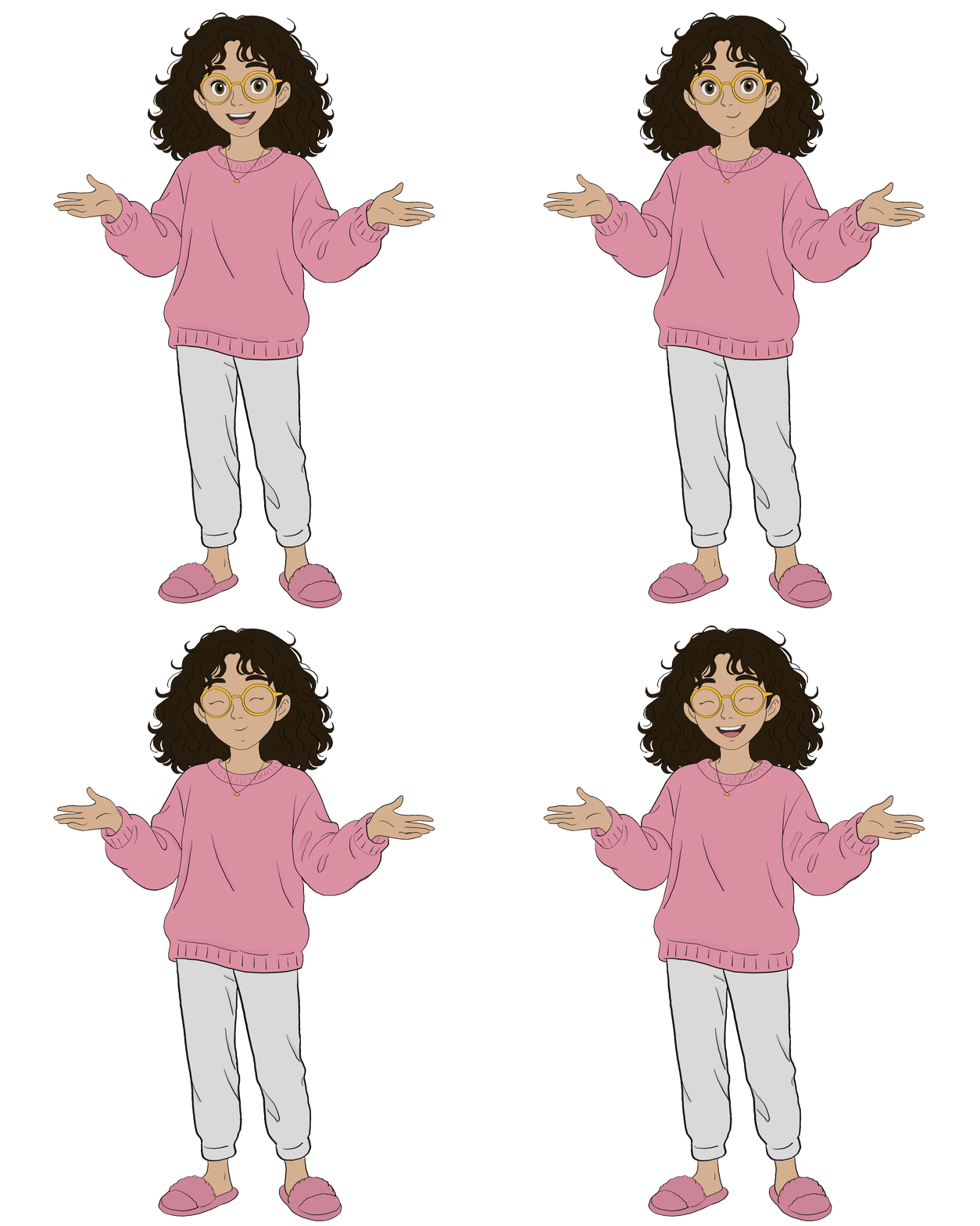
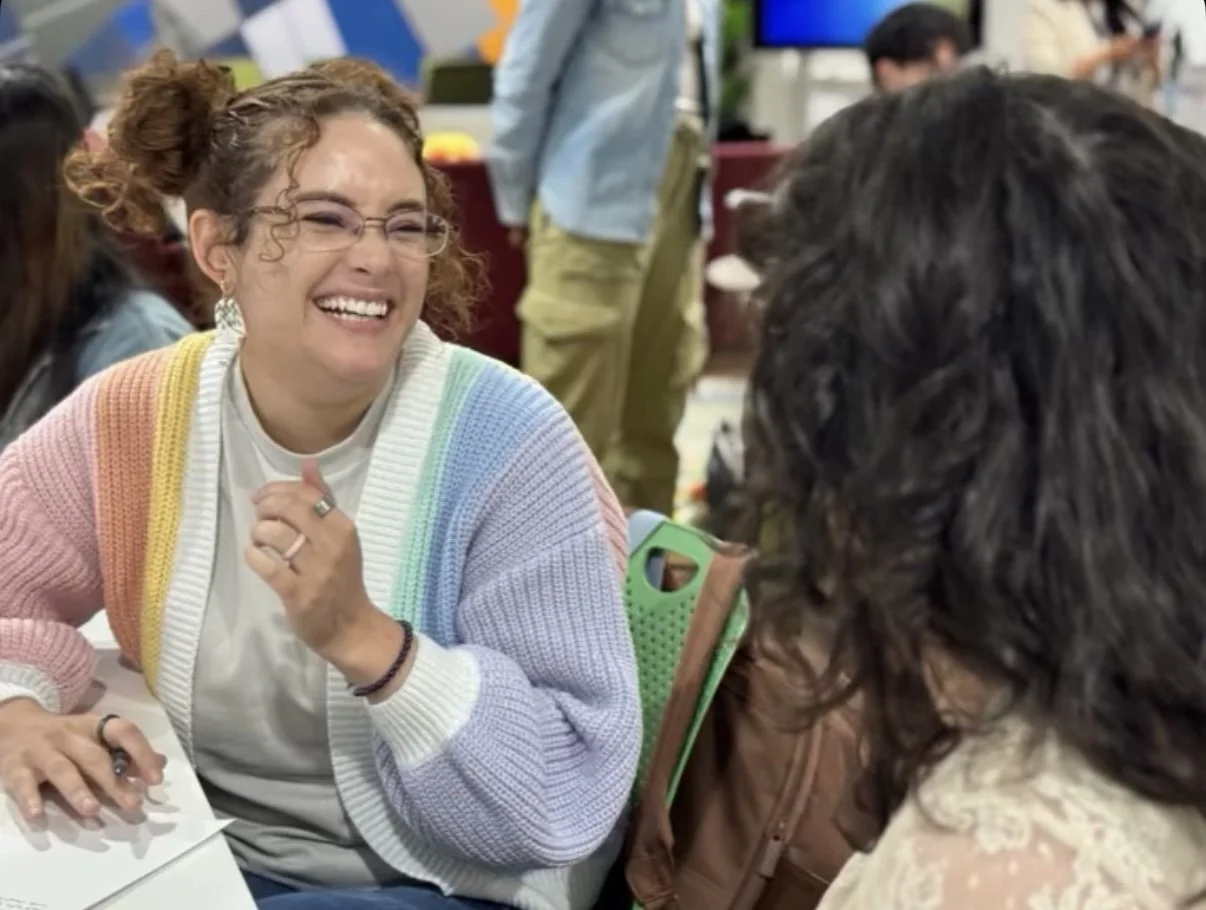
Welcome! I’m Kim.
I design clearer paths through complex systems.
I’m a product designer with a background in financial services, client operations, and systems thinking. For more than five years, I helped people navigate unfamiliar processes, high-stakes decisions, and workflows that were harder than they needed to be.
That experience shaped how I approach design today: start with the person, make complexity visible, and build experiences that respect users’ time, energy, and confidence. I also focus on accessibility.
I became a product designer by repeatedly noticing the same problem: people were being asked to navigate systems that made already difficult decisions harder.
THE GROWING SEASON
The Experiences That Shaped My Practice
My path into product design was not a sudden pivot. It grew from years of helping people navigate uncertainty, improving operational systems, and becoming more curious about why those systems were difficult in the first place.
Roots
Financial services
Working with clients making high-stakes financial decisions taught me how quickly trust can erode when language, expectations, or next steps are unclear. I became skilled at translating complexity without talking down to the person experiencing it.
Structure
Operations and client service
Managing 85–100 active onboarding journeys taught me to look beyond individual tasks. I learned to trace delays across platforms, documentation, handoffs, and internal processes—and to recognize that a user’s frustration may begin far away from the screen they are using.
First Growth
BRIDGEGOOD
Bridgegood gave me a place to apply that perspective to digital products. During my first month, I documented ten website bugs and improvement opportunities, and all ten were implemented. I also began collaborating on Solace, a capstone project moving from research and stakeholder interviews through iterative prototyping.
New Roots
Product design
Product design now allows me to combine the strengths I had already developed: careful listening, systems awareness, visual communication, and a willingness to question how something could work better. I am still growing my craft, but the problems I care about have been consistent all along.
I did not leave one career behind to begin another. I carried forward the parts that made me useful—and found a discipline where they could grow together.
Current Growth
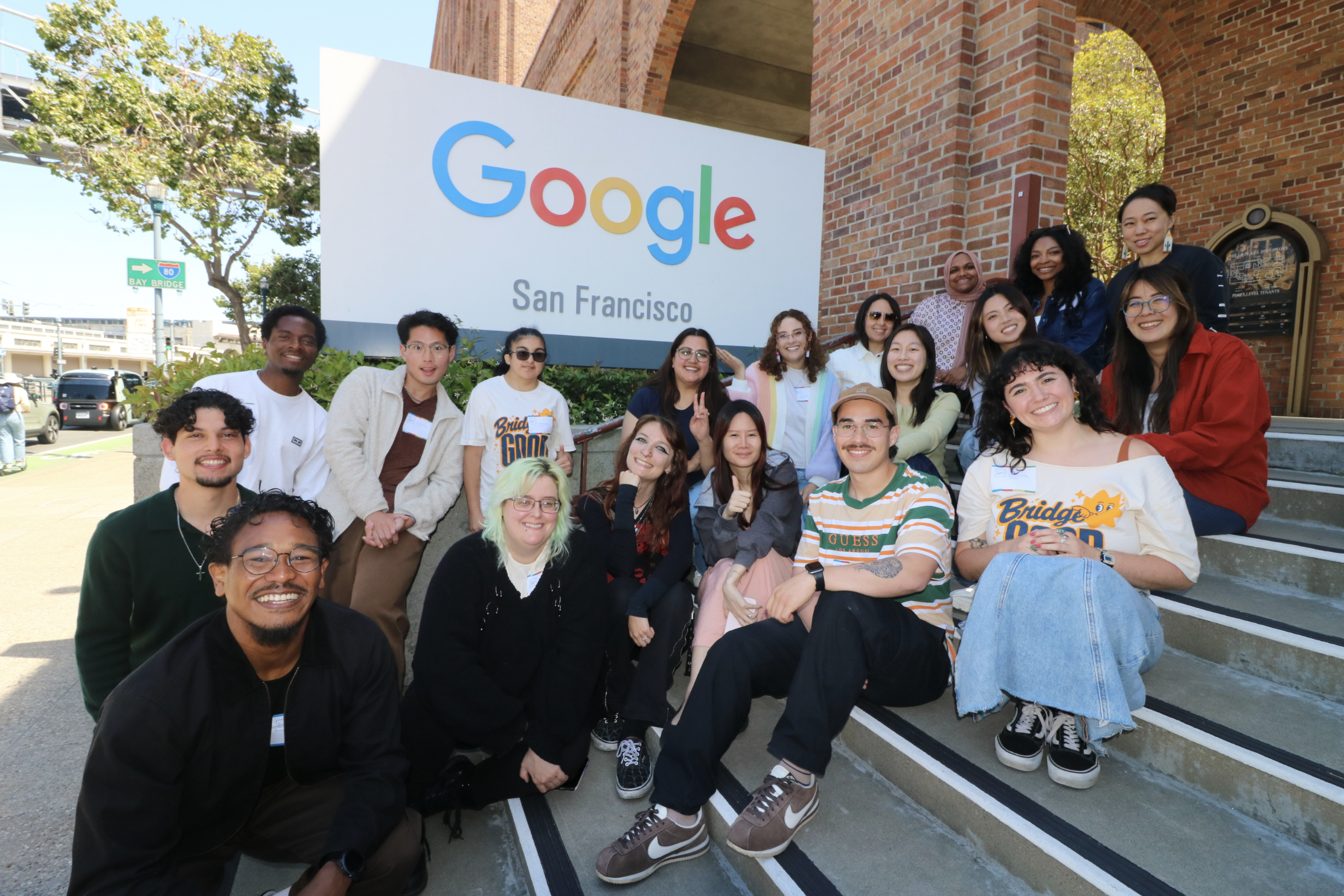
Bridgegood is where the practice is becoming real.
Evaluating a live product
During my first month, I reviewed the Bridgegood website while it was actively being built and improved. Although I had never worked in formal quality assurance, I identified and documented ten bugs and product-improvement opportunities. All ten were implemented.
The experience strengthened my ability to notice inconsistencies, connect issues to their effect on users, and communicate feedback clearly enough for someone else to act on it.
Designing collaboratively
I am also working with a team on Solace, our Bridgegood capstone project. We are investigating how digital support might better serve people living with chronic illness through desk research, stakeholder interviews, synthesis, user flows, wireframes, multiple iterations, and a final high-fidelity prototype planned for August 2026.
The project is helping me grow beyond individual exercises and practice product design as a shared process shaped by evidence, critique, constraints, and team decisions.
SKILLS & STRENGTHS
What I Bring to a Product Team
I combine user-centered thinking with experience in complex operations, high-trust communication, and careful product review.
Research and problem framing
I gather context through desk research, stakeholder conversations, surveys, and observation, then synthesize patterns into clearer user needs and design opportunities.
Flows, wireframes, and prototyping
I translate research into user flows, wireframes, iterative concepts, and interactive prototypes that make ideas easier to evaluate and refine.
Systems and workflow thinking
I look beyond individual screens to understand handoffs, dependencies, edge cases, and the wider process shaping the user’s experience.
Clear communication
I explain complicated information in plain language, document design reasoning, and connect recommendations to user needs, evidence, and tradeoffs.
Product quality and usability review
I notice inconsistencies and gaps between intended and actual experiences. I reported ten website bugs and improvements during my first month, and all ten were implemented.
Capacity-aware design
I consider how attention, energy, confidence, and cognitive load affect whether someone can successfully use a product.
Tools:
Design
Figma, FigJam, Figma Make, Canva, Illustrator, Claude
Research and collaboration
ChatGPT, Google Forms, Slack, Google Workstation
Operational systems
GitHub, Redtail CRM, Envestnet, eMoney, Fidelity Wealthscape,
Personal Note
Beyond Design
Creative practice
Founder and designer of The Tiny Craft House 24
I’m happiest when I’m making something. Whether that means tending to the garden, sketching an idea, designing stationery for my small creative business, learning a new language, or settling in with a matcha and a notebook.
Illustration gives me space to explore warmth and storytelling. Product design teaches me when clarity and restraint matter more.
Both practices are rooted in curiosity, care, and attention to the person experiencing the work.
Languages
English, Korean, American Sign Language, and Mandarin
Usually nearby
A sketchbook, matcha, and too many stationery ideas
READY WHEN YOU ARE
Bring me the part that still feels confusing.
I’m looking for product-design opportunities where I can investigate friction, clarify complex experiences, and help teams build products that respect users’ time, energy, and confidence.
View my résumé for the full professional background, or reach out to start a conversation.
Thanks for spending time in my corner of the garden.